Wildfires pose a significant threat to ecosystems, communities, and wildlife. As climate change intensifies and droughts become more frequent, the importance of effective wildfire mitigation strategies grows. One of the most crucial aspects of these strategies involves comprehensive fuel reduction. By managing vegetation density and type, we can significantly reduce the risks associated with wildfires while promoting healthier landscapes.
Understanding Fuel Reduction
Fuel reduction refers to various practices aimed at decreasing the amount of combustible material in forests and wildlands. This includes removing dead trees, thinning overcrowded areas, and managing underbrush. By strategically reducing fuel loads, land managers can create firebreaks that help slow or stop the spread of wildfires. Effective fuel reduction enhances not only safety but also forest health by allowing for better growth conditions for native plants.
The Role of Vegetation Management
Vegetation management is integral to any comprehensive fuel reduction strategy. It encompasses multiple activities such as brush cutting, land clearing, and invasive species removal. Removing invasive plants helps restore native habitats while reducing fire risk since many non-native species are highly flammable. For instance, cheatgrass has invaded many western states; its presence increases fire frequency and intensity.
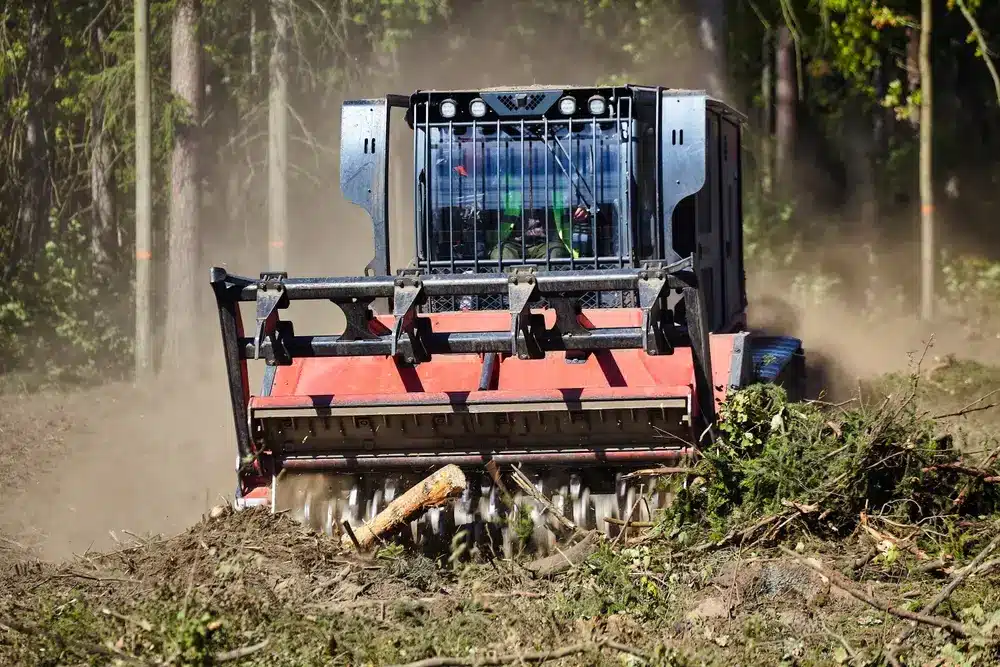
Meanwhile, forestry mulching serves as an eco-friendly method for vegetation management. Utilizing specialized equipment like a Fecon mulcher allows for efficient clearing without disturbing soil structure excessively. This technique produces mulch that can help retain moisture in the ground while suppressing new weed growth.
Methods of Fuel Reduction
When considering how to effectively mitigate wildfire risk, several methods come into play. Among these are mechanical treatments like forestry mulching and manual techniques such as brush cutting.
Mechanical Treatments
Mechanical treatments involve using heavy machinery to clear vegetation efficiently. Equipment spidermaxusa.com machine mulcher like skid steer mulchers or excavator mulchers can chip away dense undergrowth rapidly while leaving less ground disturbance than traditional logging methods. A high-flow mulcher equipped with carbide teeth offers excellent cutting efficiency and durability, making it a popular choice among land management services.
These machines are particularly useful for right-of-way clearing along roads or power lines where vegetation poses a fire risk. Establishing clear zones around infrastructure is essential for preventing fires from spreading into populated areas or utility corridors.
Manual Techniques
Manual techniques still hold value in scenarios where machinery cannot operate effectively due to terrain or ecological sensitivity. Brush cutting is one such method that involves hand tools or small machinery to thin out overgrown areas carefully. While labor-intensive, this approach allows workers to selectively remove hazardous vegetation without causing extensive soil disruption.
Stump grinding complements these efforts by ensuring that removed trees do not regenerate unwanted growth through suckering or sprouting roots. Properly managed sites will see a decrease in fuel loads over time while improving habitat quality for local wildlife.
Habitat Restoration Through Fuel Reduction
Reducing wildfire risks does not solely benefit human safety; it also plays a vital role in habitat restoration efforts after past disturbances like wildfires have occurred. Restoring natural ecosystems requires thoughtful planning and execution that takes into account local flora and fauna needs.
By implementing fuel reduction strategies alongside habitat heavy duty mulcher Spidermax restoration practices such as replanting native species, we help sustain biodiversity within affected regions post-wildfire events. For example, following a controlled burn designed to reduce fuel loads in an area prone to catastrophic fires, planting native grasses can stabilize soil and prevent erosion while simultaneously providing food sources for local wildlife.
The Importance of Mulch Depth
An often-overlooked aspect of effective vegetation management is mulch depth—an essential consideration when applying mulch after clearing operations using forestry equipment rental services. Adequate mulch depth ensures effective moisture retention during dry seasons while suppressing unwanted weed growth effectively.
Best practices suggest maintaining mulch depths between two to four inches across cleared sites depending on the region’s climate conditions; thicker layers may be necessary in arid environments where water conservation is critical.
Community Involvement in Fuel Reduction Initiatives
While professional land management services provide expertise and equipment vital for large-scale projects, community involvement is equally important in wildfire mitigation efforts. Engaging local residents through educational programs about safe landscaping practices encourages them to participate directly in reducing fuels around their properties—often referred to as defensible space creation.
Homeowners should consider simple actions like regularly trimming trees near homes or removing leaf litter from gutters which can easily ignite during wildfires if left unchecked. Programs offering subsidies or resources for eco-friendly land clearing methods further incentivize participation from residents who wish to contribute toward greater community resilience against wildfires.
Costs Associated with Clearing Land Per Acre
Understanding the financial impact associated with employing various methods of fuel reduction is crucial when planning initiatives at both community and individual levels. The cost to clear land per acre varies widely depending on factors such as location accessibility, types of equipment used (e.g., tractor mulchers versus drum mulchers), terrain difficulty levels, and specific vegetation types present on-site.
For example:
- Forestry Mulching: $500 - $2,000 per acre Brush Cutting: $300 - $1,200 per acre Stump Grinding: Often charged separately based on stump dimensions but generally ranges from $50 - $150 per stump cleared.
Investing in professional services may initially seem high but yields long-term savings by minimizing potential property damage costs incurred during severe wildfire events down the line.
Conclusion
In summary, adopting comprehensive fuel reduction strategies is imperative for mitigating wildfire risks across diverse landscapes today more than ever before given current environmental challenges faced worldwide today—including increasing temperatures leading up toward drier conditions that favor rapid wildfire spread unchecked over vast expanses if left unaddressed adequately through proactive measures described above! Through strategic planning involving both mechanical interventions alongside community engagement efforts focused on educating individuals about preventative measures they can take themselves towards creating defensible spaces around residences—communities stand poised not only improve safety levels against impending threats posed by future wildfires but also enhance overall ecological health within those same regions impacted adversely previously too!