In an era where environmental concerns are at the forefront of public discourse, land clearing practices have come under scrutiny. While land clearing is often associated with development and urban expansion, it can also play a crucial role in wildlife habitat restoration when executed thoughtfully. By understanding the principles of eco-friendly land clearing and implementing practices that promote biodiversity, we can create spaces that support wildlife and contribute to overall ecosystem health.
The connection between land management and wildlife habitats is profound. Forests, wetlands, grasslands, and other ecosystems provide food, shelter, and breeding grounds for countless species. However, invasive species and unmanaged vegetation can threaten these ecosystems. By investing in responsible land clearing methods—including forestry mulching, brush cutting, and stump grinding—we can remove obstacles that hinder habitat restoration while simultaneously enhancing the landscape for native flora and fauna.
The Role of Land Clearing in Habitat Restoration
Land clearing is often necessary for various purposes: agriculture, construction, or utility maintenance. However, when done without regard for ecological impact, it can lead to soil erosion, loss of biodiversity, and long-term damage to the environment. Conversely, well-planned land clearing can facilitate habitat restoration efforts by removing invasive species or unhealthy vegetation that compete with native plants.
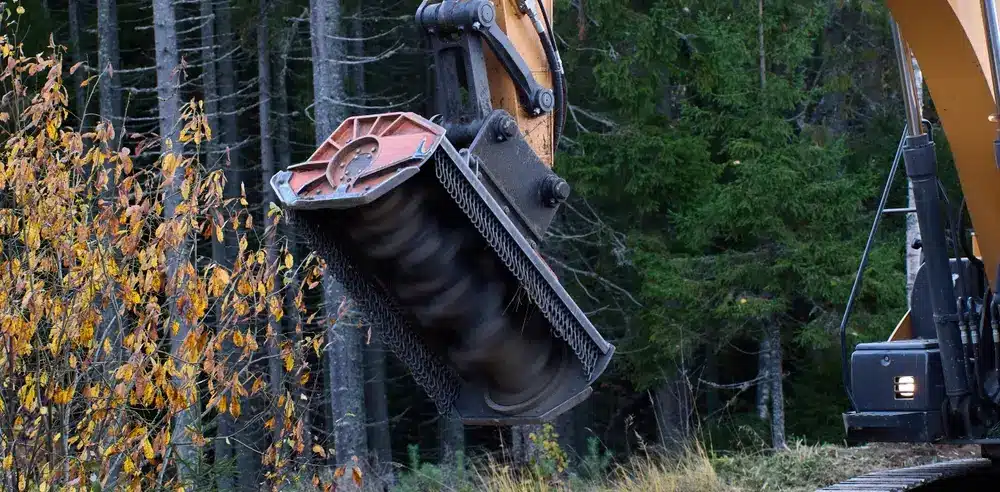
For example, using a forestry mulcher allows operators to effectively manage dense underbrush and invasive plants without disrupting the soil structure. This method leaves behind a layer of mulch that not only suppresses further weed growth but also provides nutrients as it decomposes. Over time, this practice encourages the regrowth of native species essential for supporting local wildlife.
Key Considerations in Land Clearing
When engaging in land clearing activities aimed at restoring wildlife habitats, several factors must be taken into account:
Timing: Seasonal timing significantly influences the effectiveness of vegetation management strategies. For instance, removing invasive species during their active growing season maximizes success rates.
Technique: Different techniques such as forestry mulching or brush cutting yield varying results based on terrain and target vegetation types. Understanding which method aligns with your goals ensures optimal outcomes.
Mulch Depth: The depth of mulch left on-site after clearing can influence soil moisture retention and nutrient availability for regrowing plants. A well-managed mulch layer supports healthy root systems for future growth.
Wildlife Considerations: During clearing operations, it is vital to assess potential impacts on local wildlife populations. Avoiding disturbance during nesting seasons or migration periods helps mitigate negative consequences.
Long-Term Planning: Establishing a comprehensive plan that includes follow-up actions such as planting native species or monitoring regrowth will enhance success over time.
By prioritizing these considerations during land clearing activities focused on habitat restoration, stakeholders can mitigate risks while fostering environments conducive to wildlife flourishing.
Effective Techniques for Eco-Friendly Land Clearing
Various techniques exist within the realm of eco-friendly land clearing; each has its own advantages based on specific conditions and goals. Here are some commonly employed methods:
- Forestry Mulching: This technique utilizes specialized equipment known as mulchers—such as skid steer mulchers or excavator mulchers—to grind trees and brush into fine mulch directly on-site. The resulting mulch protects soil quality while aiding new plant growth. Brush Cutting: Suitable for areas with dense shrubbery or small trees, brush cutting removes unwanted vegetation effectively while minimizing soil disruption compared to traditional clear-cutting methods. Stump Grinding: After tree removal or logging operations occur—stumps may remain embedded within the ground posing hazards for natural regeneration efforts. Stump grinding eliminates these remnants without requiring extensive excavation work. Right-of-Way Clearing: Often essential for utilities such as power lines or pipelines—right-of-way clearance involves maintaining vegetation along designated paths ensuring safety while allowing natural habitats adjacent to flourish unhindered. Invasive Species Removal: Targeted removal of non-native plants restores balance within ecosystems where they have taken hold; strategies range from manual pulling efforts up to chemical treatments depending upon severity levels present locally.
By integrating these methods into land management services with an emphasis on sustainability principles—stakeholders can pave pathways toward revitalized habitats teeming with life once more.
Case Study: Successful Habitat Restoration Through Thoughtful Clearing
To illustrate https://spidermaxusa.com/contact-us/ how thoughtful land clearing practices lead to successful habitat restoration—consider a project undertaken by a local conservation group focused on restoring a floodplain forest habitat impacted by urban encroachment near a riverbank area prone to flooding events.
Initially overwhelmed by invasive honeysuckle shrubs choking out native saplings—the organization opted for mechanical brush cutting followed by forestry mulching techniques across several acres affected by this problem species type; thus creating open spaces conducive toward reestablishing healthy tree communities vital both ecologically speaking (for water absorption) as well economically (providing timber resources).
Post-clearing observations revealed remarkable results; seedling germination rates increased significantly thanks largely due diligence paid toward mulch depth management combined good seasonal timing choices made throughout process stages involved therein—the project exemplifies how methodical approaches yield tangible benefits when tackling challenges around managing human impacts upon natural landscapes effectively!
The Economic Aspect of Habitat Restoration
While financial constraints often impede habitat restoration efforts—understanding costs associated with effective land clearing practices could make initiatives more feasible than initially perceived! For instance:
- The cost to clear land per acre varies widely based on factors like location accessibility equipment utilized labor intensity required among others; however rough estimates might range anywhere from $1,500 up towards $4,000 depending upon specifics involved. Utilizing equipment rentals rather than outright purchases allows smaller organizations or individuals access top-tier tools without burdensome investments upfront making projects financially viable even when budgets are tight!
Investments made today translate into long-term savings down line through improved ecosystem services provided by restored habitats—from enhanced water quality management flood protection measures wildlife corridors facilitating safe movement patterns—all contributing positively society’s collective well-being over time!
Challenges in Implementation
Despite clear benefits tied directly restoring wildlife habitats through thoughtful land-clearing practices—numerous challenges persist preventing widespread adoption among practitioners including but not limited:
- Limited awareness surrounding best practices available adapting modern technologies effectively into traditional frameworks remains critical hurdle overcome before significant changes manifest within industry norms established over decades past. Resistance towards adopting new methodologies rooted deeply entrenched beliefs about conventional approaches still dominate conversations around land management despite proven successes showcased elsewhere globally indicating need continuous education outreach efforts targeted at informing stakeholders about alternative options available them!
Ultimately addressing these issues requires ongoing collaboration amongst diverse stakeholder groups ranging from farmers conservationists policymakers alike working together forge sustainable solutions aligned common goals ensuring nature thrives future generations inherit healthier planet filled vibrant ecosystems thriving amidst evolving landscapes shaped human activity responsibly managed!
Looking Ahead
The future of wildlife habitats hinges upon our willingness to embrace innovative yet responsible practices within our approach toward land management today! With continued advancements made regarding forestry equipment rental opportunities emerging trends emphasizing environmentally friendly methodologies coupled greater societal recognition importance safeguarding biodiversity—we stand poised reshape landscapes transform lives foster deeper connections between people place ensuring legacy cherished generations henceforth!
By incorporating thoughtful land-clearing strategies into broader ecological frameworks advocating holistic stewardship mindset—we unlock potential restore balance between development progress protecting precious resources ultimately benefitting all living beings coexisting planet!